
You may have seen those small metal canisters — sometimes called “whippets” — scattered at parties or even parking lots. Nitrous oxide, or laughing gas, has a reputation as a quick, harmless high that wears off in seconds. It’s legal and easy to find. But can something with brief effects have a lasting impact?
While nitrous oxide doesn’t create the cellular dependency that opioids do, it can cause physical withdrawal symptoms and psychological cravings. The rush can become a compulsive habit, and the health risks are more serious than most people realize.
Why Is Nitrous Oxide So Popular for Recreational Use?
Nitrous oxide delivers euphoric, relaxing and hallucinogenic effects that last for 30 seconds to two minutes. This brief, intense high appeals to users looking for a quick experience without the commitment of longer-lasting substances.
Some factors that make nitrous oxide popular for recreational use include:
- Brief effects of euphoria: The high wears off so quickly that many users assume there’s no time for harm. This misconception ignores immediate risks like oxygen deprivation and cumulative damage from repeated use.
- Fast-acting appeal: The rapid onset makes it easy to use impulsively at social events. Because the effects disappear within minutes, people often underestimate how frequently they’re inhaling or how much they’re consuming in a single session.
- Association with medical safety: Its use in clinical settings reinforces the idea that nitrous oxide is inherently safe. However, clinical use involves careful monitoring and precise oxygen ratios — conditions absent in recreational settings.
- Legal status and easy accessibility: Nitrous oxide remains legal and inexpensive in most areas. It’s widely available at vape stores, grocery stores, convenience stores and gas stations in small steel cylinders called “whipped cream chargers.” People can order canisters online, often with same-day delivery.
The Science of Nitrous Oxide Addiction
When people ask how nitrous oxide is addictive, it’s important to understand the difference between physical and psychological dependence. Physical addiction happens when your body adapts to a substance and experiences withdrawal symptoms without it. Psychological dependence is when your mind craves the effects, even without physical withdrawal.
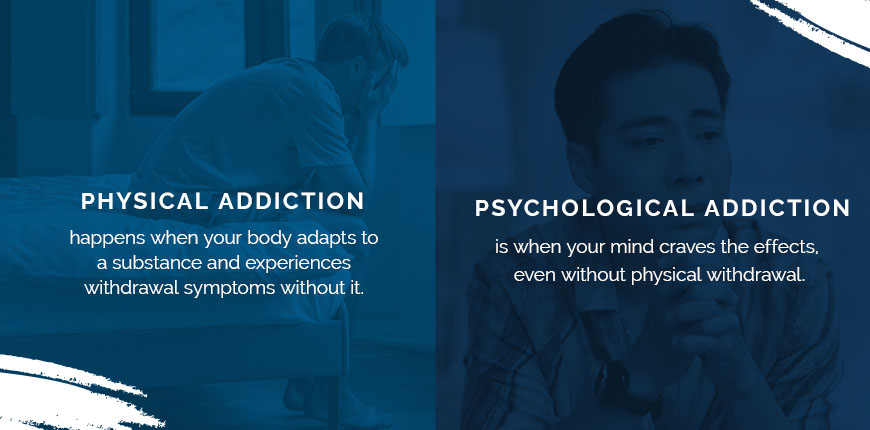
Physical vs. Psychological Dependence Explained
Nitrous oxide is physically addictive. Regular users can experience physical withdrawal symptoms, including vomiting, sweating, and in severe cases, psychosis or seizures. These withdrawal symptoms are similar to those seen with alcohol or benzodiazepines.
However, nitrous oxide is not chemically addictive in the same way opioids are. While opioids create cellular dependency where the body requires the substance to function normally, the latter’s physical symptoms stem from nervous system disruption.
Nitrous oxide causes psychological dependence through its ability to induce rapid, intense euphoria, followed by an immediate desire to replicate that feeling. It forms from a craving for the euphoric effects and can become a compulsive habit or coping mechanism for stress, anxiety or boredom. The brain associates the canister with instant relief, making it difficult to resist.
Understanding Binge-Use Patterns and Psychological Cravings
The short high feeds into bingeing behavior, which is a sign of psychological dependence. Because the effects last only 30 seconds to two minutes, users may inhale repeatedly in quick succession to maintain the feeling. This is comparable to other binge-use patterns seen with alcohol or stimulants.
Using more than intended is a sign of craving and loss of control. Reaching for another canister immediately after the first, or using far more than you planned, demonstrates psychological dependence in action.
If you recognize these patterns in your own use, contact Tranquil Shores at 727-391-7001 or toll-free at 877-566-1166 to explore support options.
Is Nitrous Oxide Safe for Recreational Use? A Look at the Risks
Despite its reputation, “harmless” is not the right word to describe recreational nitrous oxide use. There are significant physical and mental health risks that users may not anticipate. It is not safe to mix nitrous oxide with other substances. Mixing it with alcohol or other depressants increases the risk of ill effects and accidents.
Can You Overdose on Nitrous Oxide?
Yes, you can overdose on nitrous oxide. If you ingest a large amount, have preexisting health conditions or don’t get enough oxygen when using nitrous oxide, it can lead to:
- Seizures: Excessive inhalation can deprive your brain of oxygen, leading to seizures.
- Asphyxiation: Asphyxiation happens when users inhale from a pressurized canister or use a mask or bag that restricts airflow. The body’s oxygen supply is cut off, which can cause brain damage or death within minutes.
- Vitamin B12 depletion: Nitrous oxide blocks vitamin B12, which is an essential nutrient for red blood cells. Without enough B12, your body can’t maintain nerve function or produce healthy red blood cells.
Does Nitrous Oxide Show Up on a Drug Test?
No, nitrous oxide is undetectable on a routine drug screen. Standard workplace or legal drug tests do not include it in their panels, and its detection requires a specialized test that must be ordered specifically. Under certain circumstances, these methods can identify use:
- Blood testing: Blood testing is the primary method for direct detection, but the window is extremely short due to the gas’s rapid elimination. The half-life of nitrous oxide involves a two-phase elimination from the blood with half-lives of 2.4 minutes and 31 minutes. Even though the euphoric effects are gone in minutes, the gas itself can be detected in blood for an average of one to two hours after inhalation.
- Urine testing: Direct urine testing for nitrous oxide gas is not standard practice. Instead, clinicians test for indirect evidence of chronic abuse by measuring biomarkers of intoxication in urine, such as elevated homocysteine and methylmalonic acid levels, which signal vitamin B12 deficiency.
If you’re experiencing complications from nitrous oxide use or worried about a loved one’s safety, Tranquil Shores can help you navigate the next steps toward recovery.
When Does Recreational Use Cross the Line Into a Problem?
These behavioral red flags suggest use is no longer casual and may signal it’s time to seek support:
- Using more to get the same effect: When the same number of canisters no longer produces the euphoria you’re chasing, your brain has adapted to the substance. You might find yourself needing twice as many whippets to feel anything at all. This is tolerance, and it’s a warning sign that your use is escalating.
- Lying to friends or family about your use: Hiding how much you use, downplaying the frequency or making excuses to avoid questions may indicate that secrecy is at play. Heavy users may experience interpersonal problems as their relationships become strained by dishonesty and isolation.
- Continuing to use despite negative consequences: Have you needed medical help after using? Has your performance at work or school suffered? Continuing to use despite negative consequences — whether that’s health scares, damaged relationships or career setbacks — is one of the clearest indicators of dependence.
- When use impacts your holistic well-being: Nitrous oxide use can cause psychological harm, including delusions, hallucinations, paranoia and depression. Changes in your mood, increasing anxiety or a sense of disconnection from the things and people that once mattered to you are signs that the substance is affecting more than just your body.
If these warning signs feel familiar, call Tranquil Shores’ experienced counselors at 877-566-1166 to assist with substance dependence and co-occurring mental health concerns.
Curiosity and Concern Are the First Steps to Recovery

Understanding your relationship with nitrous oxide can help you make the necessary changes. Tranquil Shores helps clients recover from substance dependence through a holistic approach. Our clients benefit from 24/7 medical staff, including physicians and psychiatrists, and a 3-to-1 counselor ratio to ensure safe stabilization.
We also provide alternative therapies like acupuncture and Tai Chi, alongside an integrated recovery model to support your physical, mental, emotional and spiritual well-being.
For a no-pressure, confidential conversation with a professional or to learn about our programs, call our team at 727-391-7001 or toll-free at 877-566-1166.