Making the decision to seek help is one of the most courageous steps you can take toward stopping nitrous oxide use and reclaiming your life. You may be dealing with cravings or thinking about the physical and mental toll nitrous oxide addiction is taking. Perhaps a loved one encouraged you to learn more. Whatever brought you to this moment, know that your concerns are valid and that change is possible.
Recovery is achievable with the right support and a clear plan. Your journey to a healthier, more fulfilling life starts now, and we’re here to guide you every step of the way.
Your Commitment to Recovery Is the Foundation for Change
The decision to quit is the most critical factor in your recovery. Nitrous oxide use is most common among young adults aged 20 to 39, with some believing it’s safe because it’s used clinically and widely available. However, chronic use can lead to serious neurological consequences, including spinal cord degeneration from vitamin B12 deficiency. Your choice to seek help is a powerful step toward protecting your health.
Choosing a specific time to quit gives you a concrete goal and helps you mentally prepare. Use the time leading up to your quit date to remove nitrous oxide canisters from your environment, inform trusted friends or family members of your plan and research treatment options that align with your needs.
Mental preparation is equally important. Acknowledge that withdrawal will be uncomfortable, but remind yourself that the discomfort is temporary.
Prepare for Nitrous Oxide Withdrawal
Nitrous oxide withdrawal can be accompanied by a range of symptoms, such as the following:
- Nausea
- Vomiting
- Sweating
- Tremors
- Sleep disturbances
- Elevated heart rate
Managing Cravings and Irritability
Here are some ways to manage cravings during nitrous oxide detox:
- B12 supplementation: Consider B12-rich foods or supplements under medical guidance. Replenishing this vital nutrient supports nerve health and function.
- Hydrate: Keep water readily available during detox. Proper hydration helps flush toxins and eases withdrawal symptoms.
- Medication for cravings: Your medical team may prescribe medications to reduce craving intensity and ease withdrawal discomfort under close supervision.
- Cognitive behavioral therapy: Techniques found in cognitive behavioral therapy (CBT) help you manage negative thought patterns and emotional responses.
Creating a Safe and Trigger-Free Home Environment
Your home should support your recovery. Consider these strategies:
- Declutter for calm: A clean and peaceful space reduces stress and helps your mind focus on healing.
- Avoid hazards: Remove all nitrous oxide canisters and paraphernalia. Out of sight means out of mind when you experience cravings.
- Positive distractions: Stock your home with books, puzzles or art supplies. Having healthy and engaging alternatives ready prevents boredom from leading to relapse.
- Supervision: Have a trusted person stay with you during the first few days to provide safety and reassurance.
Seek Professional, Medically-Informed Support
Professional guidance is vital because an addiction to inhaling nitrous oxide inactivates your body’s vitamin B12, which can lead to serious neurological consequences. Medical professionals can monitor your B12 levels, provide supplementation and watch for neurological complications.
Treatment for nitrous oxide addiction requires addressing the underlying reasons you began using the substance.
A professional program can provide a safe medical detox to manage withdrawal symptoms in a controlled environment. Holistic therapies also help manage stress and improve comfort:
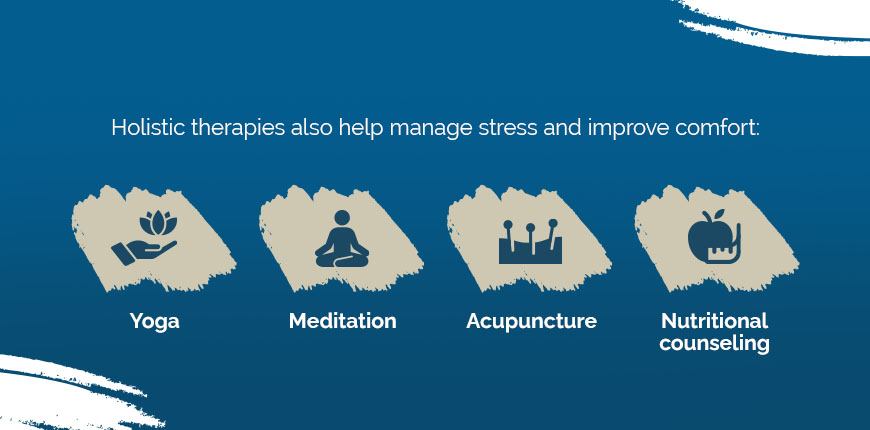
- Yoga: Gentle movement eases physical tension during acute withdrawal. These sessions also teach breathing techniques you can use when cravings arise.
- Meditation: Mindfulness practices reduce anxiety spikes. Learning to observe thoughts without judgment builds resilience.
- Acupuncture: This method can alleviate nausea and headaches. Many clients find this ancient practice surprisingly effective.
- Nutritional counseling:Proper nutrition supports healing and replenishes depleted nutrients. A balanced diet stabilizes mood and energy throughout recovery.
Choose the Right Recovery Program for You
Understanding your options helps you make an informed decision about the level of care that’s right for you.
Comprehensive inpatient treatment provides a structured environment away from daily triggers. In a residential program, you live at the facility for 30 to 90 days, allowing you to focus entirely on healing without everyday distractions. Residential treatment is ideal for those who have a severe addiction, have tried outpatient treatment without success or lack a stable home environment.
Outpatient programs allow you to live at home while attending therapy sessions several times per week. This option works well for people with strong support systems, work or family obligations or less severe addiction.
The Role of Therapy in Uncovering the Root Causes of Your Use
Lasting recovery depends on healing the core issues that led to substance use. An integrative approach to recovery treats the whole person. This often involves:
- Individual counseling: One-on-one sessions help you explore your history and develop coping strategies. Your therapist becomes a trusted partner who understands your unique story.
- Group therapy: Sharing experiences with peers normalizes your struggles. You’ll discover strength in shared experiences and wisdom.
- Family involvement: Involving loved ones supports both your healing and theirs. Healing relationships creates a stronger foundation for lasting sobriety.
Build Your Sober Support System
Building a network of supportive people dramatically improves your chances of long-term success.
Leaning on Friends, Family and Peer Support
Friends and family can be powerful allies in recovery. Be honest about what you need — whether that’s help staying accountable or spending time together in sober activities. Educate your loved ones about nitrous oxide addiction so they understand what you’re going through.
Connecting with peers in a therapeutic setting can motivate you and help you realize you’re not alone. Peer support groups offer a judgment-free space where you can celebrate milestones and receive encouragement from people who truly understand.
Connecting With Our Thriving Alumni Community for Lifelong Support
Recovery is an ongoing process. Having a support system after completing treatment can help with lasting recovery. We’ve built a robust alumni program to provide lifelong community and connection. When you join our alumni network, you gain access to a peer support system of people who share similar recovery goals.
Our alumni program offers regular meetings and workshops, free group therapy sessions and an annual reunion to celebrate your sobriety. For those who need a more structured transition, our transitional housing program offers both freedom and accountability as you step back into daily life.
Create a Long-Term Relapse Prevention Plan
A relapse prevention plan equips you with tools to maintain your progress.
Identifying Your Personal Triggers
Understanding what sets off a craving is the foundational step:
- External triggers are the people, places and things your brain associates with use.
- Internal triggers are the feelings and emotions that create the urge to use, such as stress, anxiety or boredom.
You’ll work closely with your dedicated therapist to identify specific patterns. Our 3-to-1 client-to-counselor ratio ensures personalized attention throughout this process. You’ll meet with your therapist three times during your first week and twice per week for the remainder of your program.
Once you’ve identified your triggers, you need healthy ways to respond. Holistic recovery methods like yoga and mindfulness become powerful long-term tools for managing stress and preventing relapse. These practices can become part of your lifestyle, giving you sustainable ways to cope with life’s challenges.
How Aftercare Planning at Tranquil Shores Supports Lifelong Sobriety
Aftercare is a formal roadmap built with you and your therapist before you complete your program. It anticipates challenges and is hyper-personalized to your life situation.
Our team helps identify and connect you with vetted support groups and therapists in your area. Your plan includes strategies for navigating real-life pressures and a schedule for joining free alumni group therapy sessions, ensuring you stay connected from day one.
Contact Us to Start Getting the Support You Need
Tranquil Shores understands that overcoming nitrous oxide addiction requires more than willpower. Our holistic approach addresses your physical, mental, emotional and spiritual health. With our 3-to-1 client-to-counselor ratio, you’ll receive personalized attention from our experienced team of specialists.
Our Joint Commission-accredited programs combine evidence-based treatment with alternative healing methods. Your recovery journey starts today. Call 727-391-7001 or toll-free at 877-566-1166 to discover how we can help with nitrous oxide addiction recovery.