Heroin is a highly addictive substance used to elicit euphoric relaxation while inhibiting the body’s perception of pain. It belongs to a class of drugs known as opioids and is illegal to manufacture and sell in all 50 states. Regular heroin use can lead to addiction and severe health effects, including overdose and death. Between 2019 and 2020, drug poisoning deaths increased by 31% due in no small part to the rise of heroin laced with illegally made fentanyl (IMF).
Heroin addiction is not the end of the story, however. Recovery is possible, and oftentimes, it comes in the form of a treatment center and community support from people who have been there. In this article, we will examine the impacts and symptoms of heroin addiction and how to seek treatment for yourself or someone you love.
Physical Impacts of Heroin Addiction
Heroin use has a wide range of negative physical effects that linger beyond the initial high. In the short term, those who use it may experience:
- Dry mouth
- Slowed breathing
- Heaviness
- Drowsiness
- Itching
- Nausea
- Vomiting
Regular heroin use over an extended period of time can have an even greater impact. Needles alone carry the risk of HIV, hepatitis and endocarditis. Heroin can lead to an addiction in the form of opioid use disorder, which can interfere with relationships and responsibilities. Heroin addiction symptoms can look like:
- Runny nose
- Dilated pupils
- Impaired vision
- Scabbed or bruised skin
- Dramatic weight loss
- Liver, kidney or lung disease
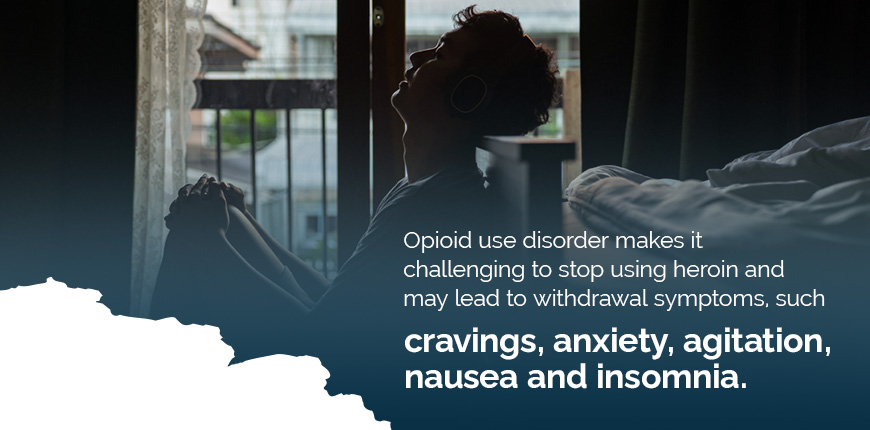
These symptoms can make daily life difficult or outright impossible, depending on the severity. Some can also lead to secondary health concerns, like skin infections from open sores. Opioid use disorder makes it challenging to stop using heroin and may lead to withdrawal symptoms, such as cravings, anxiety, agitation, nausea and insomnia. The more heroin is used, the harder the high is to achieve, often causing people to ingest more and purer heroin.
If you or someone you know is struggling with opioid use disorder, Tranquil Shores is an accredited recovery center in Tampa Bay that is dedicated to supporting clients’ overall well-being and sense of independence throughout the recovery process. You don’t have to do this alone.
Signs of a Heroin Overdose
Heroin use can lead to an overdose, which occurs when a person uses more than their body can metabolize or takes a purer concentration of the drug than their body is accustomed to. This condition can result in:
- Shallow or irregular breathing
- Slow or weak pulse
- Discolored tongue
- Pinpoint pupils
- Blue lips or fingertips
- Delirium
- Seizures
- Unconsciousness
- Heart attack
- Stroke
- Coma
- Death
If you or a loved one is experiencing an overdose, seek emergency medical attention immediately.
Psychological and Behavioral Signs of Heroin Addiction
Regular heroin use can impact more than a person’s physical health. It can also have harmful effects on the mind and behavior, which seriously impact the individual’s quality of life, personal relationships and the recovery process.
Possible psychological symptoms include:
- Loss of interest in hobbies and passions
- Impulse control issues
- Forgetfulness
- Impaired judgment
- Mood swings
- Paranoia
- Difficulty concentrating
- Hallucinations
- Heightened feelings of depression and anxiety
Heroin use and addiction may cause your loved one to act out of character or behave unusually. Examples of these changes include:
- Regular attempts to borrow or steal money
- Consistently missing responsibilities like school or work
- Lying about whereabouts or activities to loved ones
- Social withdrawal
- Neglecting personal health and hygiene
- Possession of syringes and other injection paraphernalia
- Scratching or picking at skin
- Wearing pants and long-sleeved shirts to hide injection sites and other marks
No single symptom necessarily proves an addiction, but patterns of thought and behavior that align with the symptoms may indicate that the individual in question is dealing with opioid use disorder.
Symptoms of Heroin Use
Even a single use of heroin can produce numerous effects. These symptoms and their intensity can vary based on age, amount of heroin used, purity of the heroin and how much resistance the person’s body has built up over previous uses. Some symptoms tend to occur across demographics.
Users typically experience a rush of pleasure at first. This feeling takes hold fast, as snorting, injecting or smoking heroin allows it to reach the brain very quickly. From there, users may enter a state of high that is often accompanied by warmth, heaviness, drowsiness and slowed breathing. Some people may fall asleep or drift in and out of consciousness. This typically obscures focus and processing abilities.
These effects and the speed at which they take hold exacerbate withdrawal symptoms and make heroin use highly addictive. But they are not the only symptoms users experience while under the effects of heroin. Some less-discussed symptoms include dry mouth, itchy skin, nausea and vomiting. Most dangerous of all, however, is an overdose. If overdose occurs, the person’s breathing and brain activity may slow to the point of hypoxia, which can lead to a coma, brain damage or death.
Why Seek Heroin Addiction Treatment
Heroin use and opioid use disorder can cause significant damage to those who use the drug and the people who love and rely on them. It can lead to a lower quality of life, often causing the individual to isolate themselves from their community and limiting their ability to take care of themselves and their responsibilities. These social and psychological effects often create a cycle that tempts the person to continue using the drug, reinforcing the feelings of depression and isolation.
Heroin addiction treatment is all about breaking this cycle. Specific treatment looks different for everyone, but it is always undertaken with the goal of freeing those affected by opioid use disorder from addiction so they can live healthier, self-determined lives. Some of the most common treatment methods are:
- Medicines that treat withdrawal symptoms and block the effects of opioids
- Medical detoxification
- One-on-one therapy
- Group therapy
- Long-term recovery programs at specialized treatment centers
Seek Heroin Addiction Treatment in Florida With Tranquil Shores
Recovering from opioid use disorder is possible. At Tranquil Shores, we support you through that journey with our Integrated Recovery Model of treatment, which focuses on helping you heal throughout all aspects of your life. Our accredited treatment center has a 3-to-1 client-to-counselor ratio and offers a variety of therapies, including experiential therapy, family therapy and cognitive behavioral therapy. We even offer aftercare services following the completion of our initial treatment program.
To learn more about long-term heroin addiction treatment, call us at 727-391-7001 or fill out our contact form.