
When someone you care about starts withdrawing from you or shows physical signs of addiction, it’s natural to feel concerned. You may have noticed your loved one acting secretive or out of character, or found metal canisters and other drug paraphernalia. Nitrous oxide, often dismissed as harmless “laughing gas,” can actually lead to a serious addiction with mental and cognitive effects.
Know that recovery is possible, and learning the signs of nitrous oxide addiction can be the first step in helping them heal. This guide will walk you through the physical and behavioral symptoms to watch for and how to take action.
What Is Nitrous Oxide Misuse?
Nitrous oxide is a dissociative anesthetic with legitimate medical uses. However, its short-lived euphoric effects have led many individuals to use it recreationally. The drug is easily accessible, often sold as small metal canisters called “whippets” or larger tanks at retail shops and online. According to the Centers for Disease Control (CDC), this accessibility has contributed to rising rates of misuse, particularly among young adults.
Because the drug’s rapid effects last only minutes, individuals often don’t fully grasp its dangers. This can lead to repeated use within short periods, making them increasingly vulnerable to developing a serious addiction to nitrous oxide
What Are the Physical Signs of Nitrous Oxide Abuse?
If you think someone you know might be misusing nitrous oxide, there are certain physical symptoms and signs you can watch for to confirm your suspicion.
Start by looking for these warning signs of paraphernalia:
- Small metal canisters labeled as “whipped cream chargers”
- Larger gas cylinders or tanks
- Balloons used for inhalation
- Crackers, which are devices used to release the gas from canisters
Immediate and Short-Term Physical Symptoms
Physical symptoms that appear quickly after use can include:
- Dizziness or complaints of feeling lightheaded
- Disorientation or confusion
- Difficulty with balance or coordination
- Cold burns around the nose or mouth from inhaling directly from a cold canister
Long-Term Health Complications
Chronic nitrous oxide abuse can lead to serious neurological damage. Misusing nitrous oxide impairs the body’s ability to metabolize vitamin B12, which is essential for maintaining the myelin sheath that insulates and protects nerves.
This deficiency can cause severe complications, including nerve damage, blood disorders and psychiatric symptoms like psychosis. Physical symptoms include numbness, tingling, weakness in the limbs, poor coordination and difficulty walking, all signs of spinal cord degeneration.
Catching the signs early and getting proper medical treatment can help your loved one heal.
What Are the Behavioral and Psychological Signs of Addiction?
Beyond physical symptoms, there are specific behavioral and mental health signs of nitrous oxide addiction. These can be subtle at first, but often intensify as the misuse continues:
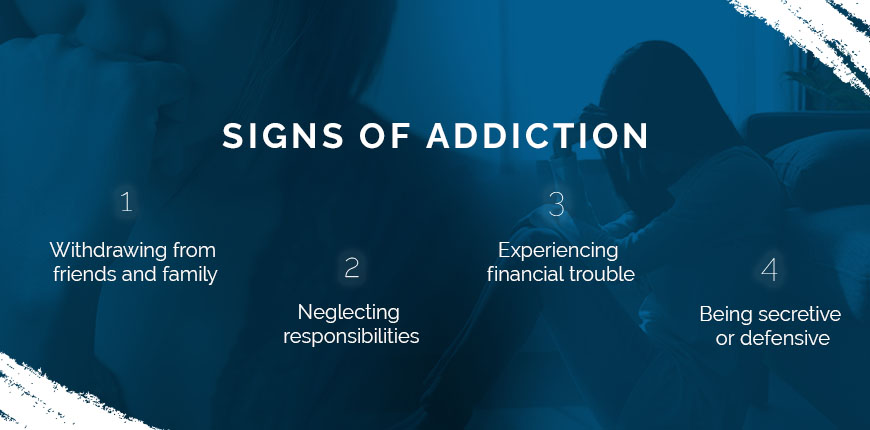
- Withdrawing from friends and family: Your loved one might isolate themselves, cancel plans or avoid gatherings they once enjoyed.
- Neglecting responsibilities: Missed deadlines, declining performance at work or school or failing to take care of their usual daily responsibilities can indicate that substance misuse is taking up most of their focus.
- Experiencing financial trouble: Repeated purchases add up quickly. If you notice your loved one often asking for money, selling belongings or struggling with unexplained expenses, this could signal an addiction.
- Being secretive or defensive: If they’re secretive about how they’re spending their time or get defensive when you question them about it, they might be hiding misuse.
Chronic nitrous oxide use is even linked to many psychiatric symptoms, including increased anxiety, depression and psychosis.
How Can You Help a Loved One Struggling With Nitrous Oxide Abuse?
Once you’ve identified the signs, the next step is taking action. Approaching your loved one with care and connecting them to professional treatment can make all the difference in their recovery journey.
Step 1: Preparing to Have a Conversation
Choose a time when emotions aren’t running high, and you have privacy to talk to them about it. Use “I” statements, such as “I’ve noticed you seem withdrawn lately, and I’m concerned about you,” instead of “You’re damaging your life.” This shows concern without judgment. Mention the specific behaviors you’ve noticed in them and that you care for their well-being first and foremost.
Step 2: Exploring Professional Treatment Options
The right approach to treating nitrous oxide addiction requires addressing the drug’s neurological and psychological effects. As such, you’ll need to seek professional treatment. At Tranquil Shores, your loved one will receive care from a full medical team to help with the vitamin B12 deficiency and a therapy team trained in dual diagnosis to treat co-occurring mental health conditions.
Step 3: Why Family Support Is Crucial for Recovery
Your involvement doesn’t end once your loved one enters treatment. Family support can make a significant difference in your loved one’s long-term recovery. Therapy can help the entire family heal by learning about the dynamics that might perpetuate addiction and ways to heal. It also provides a safe space to address communication issues, strengthen bonds and learn how to best support your loved one.
How Professional Treatment Provides Peace of Mind for Families
Choosing the right treatment program can give you peace of mind that your loved one is in capable hands. Tranquil Shores offers specific benefits to address both your loved one’s medical and emotional needs. This includes:
- A safe and supportive transition: Tranquil Shores provides medically-supervised care in a supportive inpatient setting. Our full medical team monitors physical symptoms and manages their needs around the clock, keeping your loved one safer during recovery. Our 3-to-1 client-to-counselor ratio means every client gets the personalized attention they deserve.
- Medically-informed therapy and dual diagnosis: Our team addresses the physical damage caused by nitrous oxide. Your loved one’s treatment plan will also incorporate any underlying mental health conditions that commonly occur alongside addiction, such as anxiety, depression and trauma.
- Weekly family groups and sessions: We offer weekly educational family groups and monthly family therapy sessions. These sessions can give you a private space to discuss challenges and learn how to set boundaries and support your loved one in their recovery journey.
Find Hope and Healing at Tranquil Shores
Recovery from nitrous oxide addiction is possible with the right support. At Tranquil Shores, we offer comprehensive, medically-informed care to address both the physical effects and the underlying issues driving addiction. Our 3-to-1 client-to-counselor ratio means your loved one gets the individualized care and attention they need throughout their recovery journey. We also provide dedicated family therapy and weekly support groups to help you heal together and build a stronger foundation for lasting recovery.
You don’t have to face this alone. Call Tranquil Shores at 727-391-7001 or toll-free at 877-566-1166 to learn more about our recovery programs, or contact us to take the first step toward hope and healing.