
Contact Tranquil Shores



![blue-cross-blue-shield-1-logo-png-transparent[2]](https://www.tranquilshores.org/wp-content/uploads/2022/10/blue-cross-blue-shield-1-logo-png-transparent2.png)






Over 46 million individuals struggle with substance use disorder (SUD). Among them is the professional, executive or business owner facing the added pressures of maintaining a high-stakes career, potential reputational loss and all those who look to them for leadership, support and financial stability. It’s no surprise that many suffer in silence, often behind a carefully maintained facade of success.
At the Tranquil Shores Executive Rehab Program, our team is dedicated to breaking the silence around professionals and substance abuse. We’ll explore why professionals are at heightened risk, how to recognize the often-hidden signs and where to go for confidential, effective help without sacrificing your career or peace of mind.
Why High-Pressure Careers Increase Risk
About 60% of employees feel stressed at work. This estimate may be higher among professionals and executives operating in environments where high performance expectations and scrutiny are unrelenting. The unique pressures of these roles can make substance abuse among professionals feel like a necessary coping mechanism, even for those who have never struggled before. Understanding these risks is the first step toward breaking the cycle.
The Culture of Stress and Burnout
Long hours, relentless deadlines and the constant drive to outperform peers can lead to eventual burnout. Substances may seem like a quick fix for exhaustion or anxiety, but they often create deeper problems. Common signs of burnout include:
- Chronic fatigue
- Insomnia
- Anxiety
- Physical symptoms like chest pain or headaches
- Impaired concentration or forgetfulness
Some of the causes of job burnout in professionals are:
- Lack of support or feelings of isolation
- Problems with work-life balance
- Too much to do
- Conflict with others
“Work Hard, Play Hard” Mentalities
The “work hard, play hard” mentality encourages long hours and intense effort, followed by socializing that often centers around alcohol. This culture may seem to reward dedication and camaraderie, but it can mask deeper issues. Professionals who abuse drugs are often caught in this cycle of increasing stress, chronic overwork and a blurring of boundaries between personal well-being and job demands.
Beneath the surface, this relentless pace can lead to burnout, disengagement and serious mental health risks. The toll isn’t just personal — organizations also suffer from reduced creativity, lower performance and increased costs. In fact, global spending on workplace wellness is soaring, suggesting an urgent need for healthier, more supportive work environments for professionals at every level.
The Burden of High Expectations
The psychological weight of maintaining a professional image and managing significant responsibilities can be overwhelming. Approximately 87.7% of people who have an SUD did not receive substance use treatment in the surveyed year.
The most common reasons were:
- Over three-quarters believed they should be able to handle their alcohol or drug use on their own.
- A little over half were not ready to start treatment.
- A little under half were worried about what people would think or say if they got treatment.
Pressure to appear in control and successful at all times, along with the fear of being perceived as weak or a failure, often prevents professionals who abuse drugs or alcohol from seeking help. This is why Tranquil Shores offers a highly confidential recovery center where professionals can de-stress and begin their healing journey with individualized treatment tailored to their professional lifestyle.
Recognizing the Subtle Signs of a Struggle
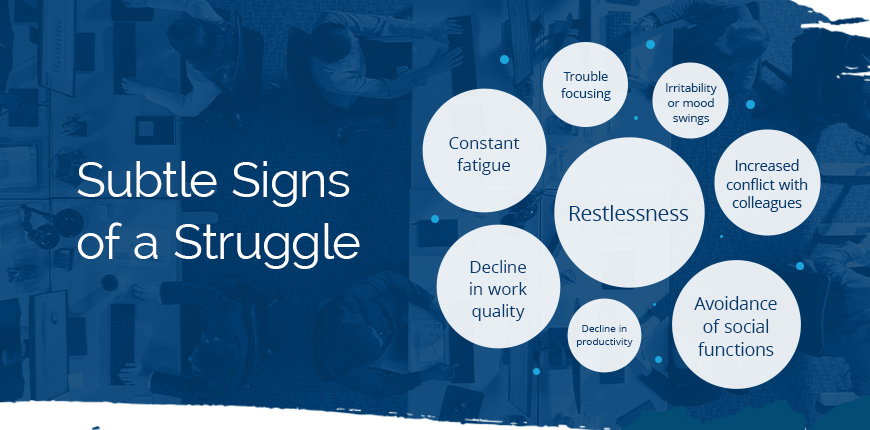
Drug abuse in professional occupations often looks different than the stereotypes. Recognizing these subtle, context-specific signs is crucial for early intervention.
Behavioral and Professional Changes
Professionals who are struggling may exhibit changes in their work habits and interactions that are easy to overlook but significant when viewed together, including:
- Restlessness or trouble focusing
- Constant fatigue
- Noticeable decline in work quality or productivity
- Irritability, mood swings or increased conflict with colleagues
- Withdrawal from team activities or avoidance of social functions
Physical and Personal Indicators
Physical and personal changes can also signal a deeper issue, especially when they appear suddenly or without a clear explanation, like:
- Changes in appearance, such as poor hygiene or significant weight fluctuations
- Unexplained financial strain despite a stable income
- Defensiveness or secrecy when asked about well-being
- Neglect of personal or family responsibilities
The Unique Challenges for Female Professionals
Addiction impacts women and men differently. When you consider the unique pressures and barriers faced by female professionals, recognizing these challenges is essential for providing effective support and care for professional women struggling with drug abuse.
Navigating Male-Dominated Environments
Women in male-dominated fields may feel pressure to fit in or keep up, sometimes leading to participation in risky behaviors normalized by workplace culture. This might be pressure to match male colleagues’ drinking or social habits or fear of exclusion or being perceived as weak or different.
As a group that has often faced barriers in the workplace, women who make up just 29% of C-suite roles, often find a shortage of mentors and sponsors who can help them navigate their professional growth and provide socioemotional support.
The Double Burden of Career and Home
Balancing demanding careers with societal expectations for family and home life creates additional stressors that can increase vulnerability to alcohol or drug abuse. Juggling high-pressure work and caregiving responsibilities often leaves little time for self-care or stress relief. Societal pressure to “do it all” without showing any strain only adds to the pressure.
The Consequences of Inaction
Ignoring or minimizing substance misuse can have devastating, long-term consequences for professionals and their families.
Career and Financial Ruin
The professional and financial fallout from untreated substance misuse can be severe and lasting, including.
- Risk of job loss or demotion
- Damage to professional reputation and future opportunities
- Potential legal or licensure issues, especially in regulated fields
Deteriorating Health and Relationships
Substance misuse inevitably takes a toll on physical and mental health, as well as on personal and family relationships in the following ways.
- Increased risk of chronic health conditions and mental health disorders
- Strained or broken relationships with family, friends and colleagues
- Isolation and loss of support networks
How to Find Confidential and Effective Help
In high-pressure professional environments, substance misuse can remain hidden behind success and ambition, but recognizing the unique risks and challenges is the first step toward meaningful change. With the right support and specialized care, recovery is possible — restoring well-being and professional potential.
Seeking help is a sign of strength, not weakness. For professionals and their families, it’s essential to find a program that understands the unique challenges of high-achieving individuals and offers truly confidential, specialized care.
Access Recovery at Tranquil Shores
Tranquil Shores is a leader in providing discreet, effective treatment for executives and professionals. Our Executive Program is designed to address the specific needs of this demographic, including uncompromising discretion and the ability to maintain career engagement during treatment.
Take the first step toward reclaiming your life and career. Call us at 727-391-7001 or Toll Free at 877-566-1166, or contact us online today to learn more about our confidential program for professionals.