Combat trauma, mental health and addiction often intertwine. Members of the armed forces can face significant stressors and traumatic events that have a lasting effect. Service members can develop trauma-related disorders like post-traumatic stress disorder (PTSD), as well as anxiety, panic, depression and grief. They may turn to substances to cope with these symptoms and fall into a cycle of addiction.
It’s important to know that help is available. This article sheds light on the profound impact combat trauma has on mental health and addiction, offering insights and support for veterans and active-duty military personnel.
What Is Combat Trauma?
Combat trauma is the psychological impact of experiencing extreme and life-threatening events during military service. Witnessing combat-related injuries, engaging in firefights or experiencing the loss of comrades are all examples of combat trauma, as they can profoundly impact an individual’s mental well-being. It often manifests as PTSD, characterized by the following symptoms:
- Intrusive memories
- Nightmares
- Hypervigilance
- Emotional numbing
Being exposed to high-stress combat environments for long periods can especially have a lasting effect on a person’s mental health. While early intervention and support can be highly effective, veterans may face barriers to receiving help, such as stigma, fear of repercussions or lack of awareness about available resources.
Effects of Stress on the Brain
Prolonged stress from combat exposure can change the brain, making a person more vulnerable to mental health issues like PTSD. Traumatic stress can also change a person’s behavior, making it more likely that substance use could lead to an addiction. It can impact brain circuits involved in reward, motivation and learning, increasing cravings while decreasing the ability to control the response to impulses. Addiction affects these same brain processes, which is another reason researchers think stress could increase a person’s vulnerability to addiction.
The Connection Between Combat Trauma and Mental Health
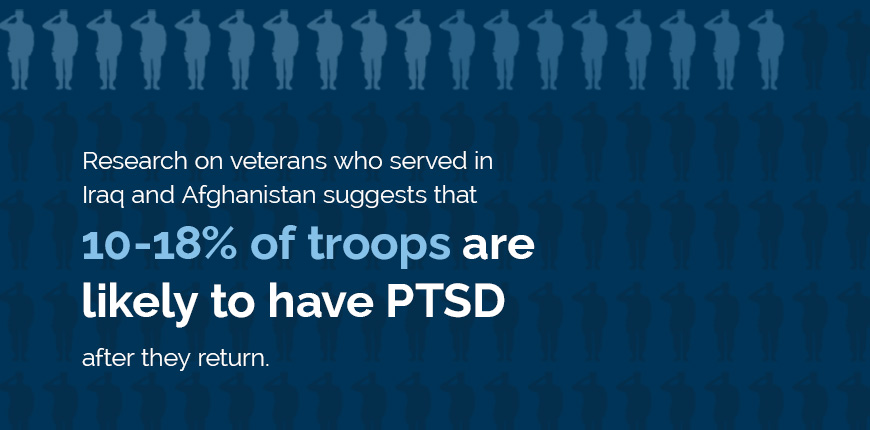
Statistics reveal high rates of co-occurring mental health disorders among veterans, with combat trauma often intertwined with PTSD, depression and anxiety. The most common link exists between combat veterans and PTSD. Research on veterans who served in Iraq and Afghanistan suggests that 10%-18% of troops are likely to have PTSD after they return. In addition, 1 in 4 soldiers return with depression, while excessive drinking and tobacco use are also common.
While not all stressors result in a trauma disorder, the chances of developing one can increase if the person does not have proper support systems or coping skills in place. Untreated trauma can escalate into more severe mental health disorders over time, but early intervention can address combat trauma and mental health concerns to prevent these lasting effects.
The Link Between Mental Health and Addiction
There’s a profound connection between mental health and addiction, especially among veterans who have experienced trauma during their service. Service members may seek solace in drugs or alcohol to numb their pain, help them fall asleep or avoid intrusive memories. However, this unhealthy coping strategy can actually worsen mental health conditions, creating a cycle of dependency that further impacts well-being.
Forms of trauma that can lead to addiction include:
- Witnessing combat-related atrocities
- Exposure to life-threatening situations
- Sexual assault
- Emotional toll of prolonged deployments
- Physical traumas, like injuries or traumatic brain injury
Being away from home for a long time can also cause problems at home or work, which may trigger or worsen PTSD symptoms and addiction. Someone dealing with chronic trauma may use substances to cope with their distress or mental health symptoms. This can create an unhealthy cycle — highlighting the link between trauma, mental health and substance abuse.
Importance of Professional Addiction Treatment for Veterans
Combat trauma leaves a lasting impression, often leading to complex mental health struggles or substance misuse that can be challenging to navigate on your own. If you are experiencing the effects of combat trauma, a professional treatment program can help you better navigate the complexities of your experiences and find a path to healing.
At Tranquil Shores, our military treatment program addresses specific combat traumas and co-occurring conditions like PTSD and addiction. The main components of these specialized treatment programs include:
Trauma-Informed Care Approach
A trauma-informed care approach is critical to address the unique challenges of your military experiences. At Tranquil Shores, our holistic, non-12-step treatment options address combat trauma and its impact. With a focus on individualized care, our program respects the nuances of your service-related trauma, providing a safe space for growth and healing.
Resilience and Coping Strategies
You need healthy coping strategies to manage your triggers and stress effectively. The professional counseling services at Tranquil Shores can equip veterans with coping skills and techniques to navigate emotions more healthily, such as mindfulness, exercise or other holistic activities that support the mind and body. The support and skills you learn in therapy sessions and peer groups can all foster resilience, helping you build a strong foundation to navigate trauma and addiction.
Dual Diagnosis Treatment
An integrated treatment approach is necessary to address trauma and co-occurring mental health conditions. Tranquil Shores understands the importance of dual diagnosis services in breaking the cycle of addiction. To treat conditions like addiction, you must address underlying causes, and our approach can help treat combat trauma and comorbid conditions like depression, anxiety, PTSD and substance use disorder.
Safe and Supportive Environment
While military treatment programs will address immediate needs, they also benefit veterans by serving as a safe space to heal. Our location on Madeira Beach on the Gulf Coast of Florida is an ideal place to relax and address what you are feeling and experiencing. Enjoy leisurely strolls along the beach and watch the sunset — these spaces can provide valuable moments of reflection, all while being supported by our caring and experienced team as you navigate recovery.
Aftercare and Long-Term Support
Professional support goes beyond the initial treatment phase. Tranquil Shores offers aftercare services, ongoing therapy and resources to help you maintain your progress and prevent relapse. This long-term care is essential, as it can help you sustain your recovery and continue down a healthy path.
Get Effective Treatment for Combat Trauma at Tranquil Shores
Combat trauma can often mask addiction and other mental health challenges. It’s crucial that veterans seek professional help to address these underlying issues and start healing. Tranquil Shores provides the structured and supportive environment you need to address underlying trauma, mental health challenges and addiction issues. Our evidence-based therapies, trauma-informed approach and personalized services can help build resilience and foster a healthier, happier lifestyle.
We maintain a 3-to-1 client-counselor ratio, ensuring each client gets the help they deserve. Take the first steps to healing by calling us at 727-391-7001, toll-free at 877-566-1166, or contact us today to learn more.