Health care workers can experience addiction just like anyone else, and there are many reasons this can occur. Doctors and nurses may experience higher rates of burnout and turn to substances to cope with emotional pain from a day of hard decisions. Unlike other professionals, doctors and nurses can also more easily access sought-after substances, making it easier to fall into an addiction cycle.
If left untreated, substance use disorder (SUD) can have consequences for medical professionals and patients alike. Fortunately, with a healthy work-life balance and professional support, health care workers can overcome the addiction cycle, live healthier lives and deliver better patient care.
Health Care Professionals and Addiction
A study published in 2022 in the Journal of Nursing Regulation revealed that 5.7% of health care workers engaged in illicit drug use in the previous year. The misuse of prescription drugs among these workers was reported at a rate of 9.9%. These rates can vary depending on the health care worker’s specific position. More specifically, the study found that nurses working in home health and hospice had the highest rates of addiction at 19%.
Overall, 18% of nurses showed signs of substance use issues, with one-third of that group indicating a substance use disorder. Compared to educators and researchers, staff nurses, charge nurses, coordinators and other administrators were up to 12 times more likely to have a substance use disorder.
Causes of Addiction in High-Stress Medical Jobs
Addiction among health care professionals is often linked to the high-stress nature of their work. Burnout, long and demanding work schedules and a reluctance to seek help can all lead to addiction. Combined with easier access to substances, substance use disorder is particularly more prevalent in the medical field.
High Workload and Burnout
Staffing shortages are common in the health care sector, leading to increased workloads for medical professionals. With less help, longer shifts and mandatory overtime, the risk for burnout is exceptionally high among doctors and nurses. Health care workers may feel detached and have a diminished sense of accomplishment. Extended shifts can also reduce time for personal and family life, and medical professionals may turn to substances to cope.
Emotional Demands
Health care workers may use substances or alcohol to escape the emotional distress caused by difficult patient outcomes. Constant exposure to patient suffering, trauma and death can take an immense toll, leading to compassion fatigue. The pressure to make critical decisions and manage complex cases can also create significant stress.
The emotional toll on health care workers can increase their vulnerability to substance use disorder as they seek relief from these overwhelming feelings. They may also turn to drugs or alcohol to stay alert during extended shifts.
Lack of Adequate Support
Lack of adequate support in the health care environment can also contribute to addiction. Many health care professionals work in high-pressure settings where they receive little recognition from supervisors and colleagues. A lack of support can cause isolation and helplessness, making it more challenging to cope with stress. A fear of judgment or negative repercussions can also keep health care professionals from accessing the resources they need, causing them to self-medicate with substances.
Signs of Addiction in Health Care Professionals
Recognizing drug or alcohol dependence in clinical settings can be challenging, as many health care workers can mask their symptoms and maintain their career, home life and substance misuse for a long time without others noticing. However, specific substance abuse behaviors among physicians and nurses can include:
- Choosing to work night shifts, which typically have fewer supervisors and more opportunities to access medications.
- Napping during work hours or between shifts.
- Frequently offering to give narcotics to patients.
- Expressing concern about having to work overtime or additional shifts.
- Taking excessive bathroom breaks or having unexplained absences from work.
- Having a noticeable odor of alcohol or using breath mints and mouthwash excessively.
- Experiencing significant stress related to finances, relationships or family matters.
- Exhibiting glassy eyes or having constricted pupils.
- Maintaining an unusually close relationship with prescribing physicians.
- Leaving documentation incomplete or making frequent mistakes in paperwork.
Impact of Substance Abuse on Health Care Workers
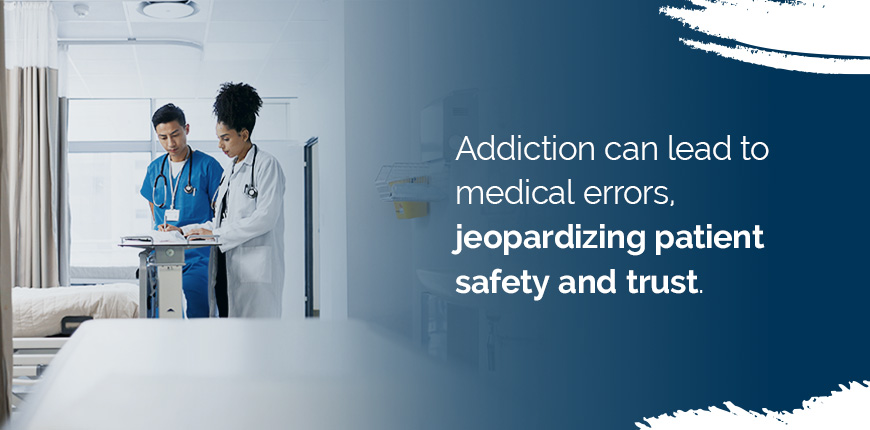
Substance abuse among health care professionals can have significant consequences for the individuals involved and the quality of patient care. Addiction can lead to medical errors, jeopardizing patient safety and trust. Additionally, the impact of addiction on health care professionals’ reputation and licensure can be immense, as substance use issues can severely damage them.
Diversity and addiction in the health care sector further complicate this issue, as different demographic groups may experience unique challenges and stigma associated with seeking help. Barriers to treatment are prevalent, with many health care workers remaining undiagnosed and untreated due to fear of social, professional or legal consequences. This fear might be heightened by the same traits that contribute to their success — such as independence and self-reliance — making it difficult for them to reach out for support.
How to Overcome Addiction in the Health Care Sector
Overcoming addiction in the medical field is critical for the well-being of health care professionals and the safety of patients. If you work in the medical field, a multifaceted approach of self-care, work-life balance and accessible rehabilitation options can support your long-term recovery.
Early Intervention
Overcoming addiction in the health care sector requires early recognition and intervention. Health care workers should prioritize self-care and actively seek help, such as that offered through programs like Tranquil Shores. If you work in the medical field, our addiction specialists can help jump-start your recovery with various treatments, such as cognitive behavioral therapy (CBT) to develop healthier coping skills for stress, and holistic approaches like meditation and massage therapy.
Self-Care and Work-Life Balance
In addition to professional support, techniques like mindfulness, regular physical activity and healthy hobbies can help you manage the pressures of your demanding role. You can manage workplace stress by setting boundaries between your work and personal life, such as effectively managing your time and scheduling regular breaks.
A balanced lifestyle can reduce your risk of addiction, helping you maintain your well-being while providing quality care to your patients. Prioritizing your mental and physical well-being is crucial, and you can find comprehensive support at Tranquil Shores.
Get Comprehensive Addiction Treatment at Tranquil Shores
Addiction is common among health care professionals due to demanding workloads, emotional exhaustion and barriers to support. If you are struggling with substance misuse issues, Tranquil Shores can help. Our compassionate team provides comprehensive treatments tailored specifically to your line of work, helping you manage stress, burnout and addiction under one roof. Our non-12-step recovery approach focuses on personalized care, helping you navigate your recovery journey, promote a healthier lifestyle and ultimately, improve patient care outcomes.
Call Tranquil Shores at 727-391-7001 or contact us today to learn more about our addiction treatment programs and start your recovery journey.