
Examples of Powerlessness in Addiction
With addiction, there are a lot of emotions that come with the territory. From feelings of guilt and embarrassment to powerlessness and helplessness, it can be hard to determine which one is actually the most accurate representation of how we feel.
While these feelings can be overwhelming, it’s important to remember that they don’t have to define us. There are ways to cope with these emotions and even overcome them altogether.
Learn about the examples of addiction powerlessness, and explore how to gain control over your addiction.
Definition of Powerlessness in Addiction
Powerlessness in addiction refers to the inability to control substance use despite negative consequences. It may present itself as repeated failed attempts to stop or moderate use, even when the individual understands the harm being caused to themselves or those around them. The compulsive nature of addiction overrides choices, making it difficult for a person to exercise control over their behavior.
A common misconception is that powerlessness equates to weakness or a lack of willpower. However, addiction is a complex combination of brain chemistry, emotional health and behavioral conditioning. Recognizing powerlessness is about acknowledging reality through acceptance. Acceptance allows the individual to confront the truth of their condition without judgment.
Why Accept Powerlessness in Addiction?
Denial is a common barrier in addiction recovery. Individuals may convince themselves that they can regain control independently or minimize the consequences of their substance use. Recognition and acceptance of powerlessness break through this denial, allowing for an honest assessment of one’s behavior and its impact on life, health and relationships.
Acknowledging powerlessness also opens the door to seeking support. When we are struggling with addiction, we may feel like we can’t overcome our addiction and that we are destined to fail. However, it is important to remember that we are not alone in this fight. There are people who care about us and want to help us recover. Whether it’s a friend, peers or professional treatment and care providers, these people can provide us with the support we need to take back control of our lives.
Examples of Powerlessness in Addiction
Powerlessness can present itself in multiple dimensions of life, including:
- Physically: Individuals may experience persistent cravings or withdrawals that make it difficult to refrain from use. They may undergo repeated medical emergencies because of substance use, yet continue consumption.
- Emotionally: People struggling with substance use disorder may experience feelings of anxiety, guilt or depression when under the influence. They may also have difficulty regulating emotions without relying on drugs or alcohol, leading to a cycle of self-medication.
- Behaviorally: Repeated attempts to quit or moderate use fail, despite knowledge of personal or professional consequences. They may also engage in risk behaviors such as driving under the influence or theft.
- Socially: Addiction can lead to strained or broken relationships resulting from behavior influenced by substance use. They may also isolate or be secretive because of shame or guilt.
Powerlessness Examples in Recovery
Even after achieving sobriety, powerlessness can continue to show up during early recovery. Examples include:
- Cravings and urges: Despite being sober, individuals may experience urges triggered by environmental cues, memories or stressors.
- Difficulty managing triggers: High-risk situations, such as social events involving alcohol or exposure to former substance use routines, can challenge coping strategies.
- Temptation during emotional distress: Stress, grief or relational conflict may trigger the impulse to relapse.
Recognizing these triggers and signs helps individuals and their families understand that powerlessness can be a recurring dynamic that requires consistent management and supportive structures.
Tips for Accepting and Overcoming Powerlessness Over Addiction
There are ways to overcome powerlessness over addiction. One step is to understand that addiction is a disease. Once you realize this, you can take the necessary steps toward healing. Here are seven steps to help you gain control over your addiction:
- Acknowledge that you feel powerless: Without acknowledgement, you cannot begin to work through your feelings of powerlessness.
- Understand that powerlessness is temporary: You may feel like you will never overcome your addiction, but know that this is not true. Recovery is possible, and you can achieve it.
- Make a plan: Write down what you want to achieve and how you’ll get there. Having a plan gives us a sense of direction and purpose and helps us feel more in control.
- Take small steps: Start by making simple changes in your daily routine or setting goals for yourself. As you accomplish these things, you will begin to feel more powerful and in control of your life again.
- Seek support: Reach out to people who understand what you are going through and can offer valuable insight. Talking to them can help you realize that you are not alone in this battle and that others have overcome similar challenges.
- Take care of yourself: Eat a balanced diet, get enough sleep and exercise regularly. Take time for yourself to relax and do things that make you happy outside of your recovery journey. When you take care of yourself, you are better equipped to handle the challenges ahead.
- Seek professional help: When overcoming addiction, professional help is key. Treatment centers like Tranquil Shores are an effective way to overcome addiction because they offer all the resources you need, from deep therapy to strategies for dealing with cravings, even access to medication.
Treatment and Therapies to Address Powerlessness in Addiction
Various treatment approaches can empower individuals by helping them understand and manage their powerlessness effectively.
Cognitive Behavioral Therapy
Cognitive behavioral therapy (CBT) helps people struggling with addiction identify distorted beliefs fueling feelings of helplessness, such as “I can’t stop,” or “I have no control.” The treatment equips individuals with strategies to reframe thinking and replace self-defeating patterns with healthier choices by breaking down the cycle of triggers, thoughts and behaviors.
Dialectical Behavior Therapy
Dialectical behavior therapy (DBT) focuses on emotional regulation and distress tolerance. Powerlessness often arises when individuals feel overwhelmed by emotions. DBT provides structured methods to manage intense urges, cope with stress and regain a sense of stability.
Group and Family Therapy
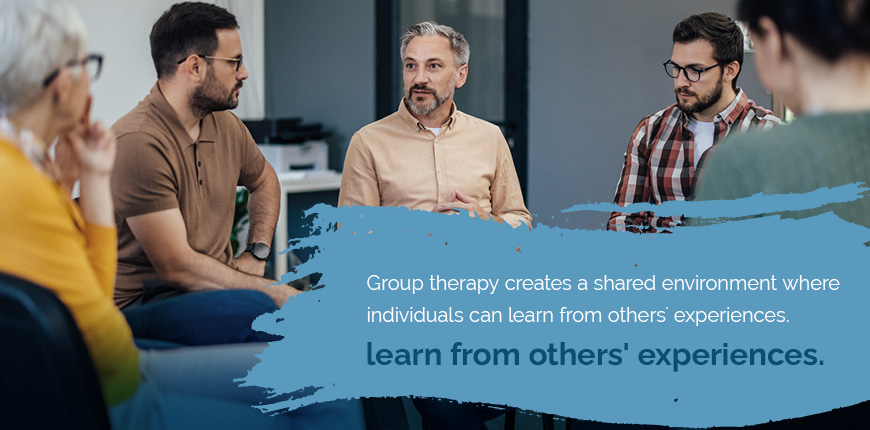
Isolation can intensify feelings of powerlessness. Group therapy creates a shared environment where individuals can learn from others’ experiences. Family therapy addresses enabling patterns and rebuilds supportive, empowering relationships, reinforcing the recovery process.
Accelerated Resolution Therapy
Unresolved trauma often contributes to helplessness in addiction. Accelerated resolution therapy (ART) helps individuals process painful memories, reducing the intensity of triggers and restoring a sense of control over their emotional responses.
Holistic and Alternative Practices
Practices such as yoga, meditation and drumming circles improve mindfulness, body awareness and inner resilience. These practices offer tools to calm the nervous system and reclaim a sense of control over one’s body and mind.
Reclaim Your Power With Tranquil Shores

Powerlessness over addiction can be difficult to overcome, but it is possible with the right help and support. Tranquil Shores helps you in your pursuit to overcome addiction. Our team works with you to understand the root causes of your substance use and create a personalized plan that addresses your mental, emotional, physical, social and spiritual needs.
You will benefit from a range of therapies, including CBT, DBT, ART and supportive group and family sessions. We focus on helping you manage cravings, triggers and emotional challenges while giving you tools to rebuild control over your life.
Our aftercare and ongoing support services ensure you feel empowered and prepared to maintain your recovery.
Call us today at 727-391-7001 or toll free at 877-566-1166 to begin your journey and get back to where you want to be.