“Peace is the result of retraining your mind to process life as it is, rather than as you think it should be.” – Dr. Wayne W. Dyer
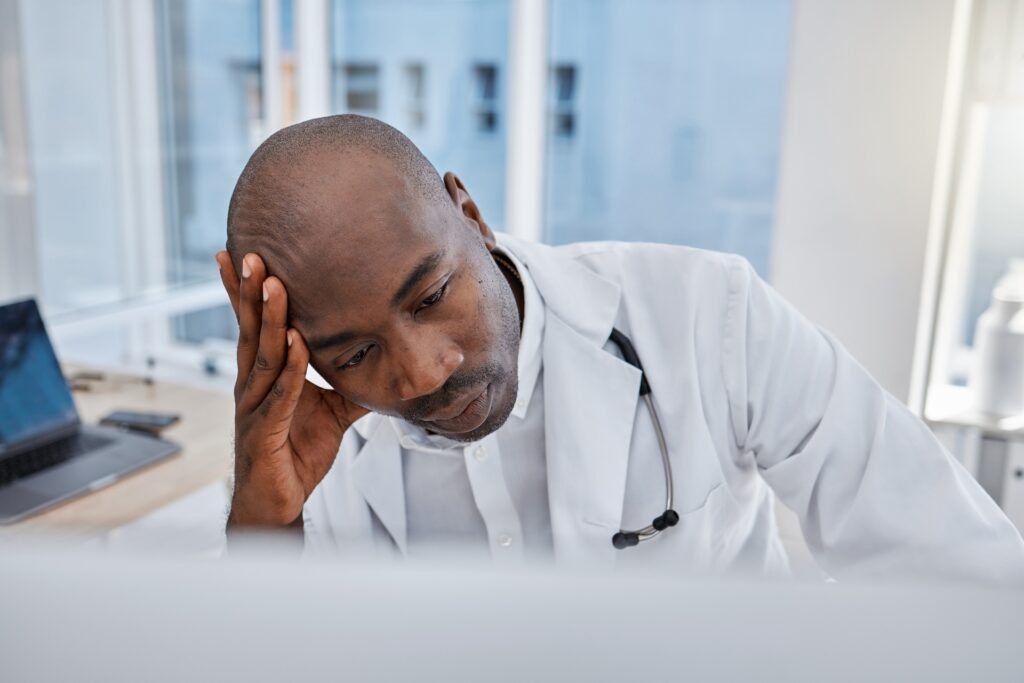
Working in a high-stress field, such as medicine, can take a toll on the mind and body. When the outcome of a human life lies directly in your hands, it can feel impossibly stressful to keep making the right decisions over and over. Plus, what happens when that decision is wrong?
Turning to substances after days upon days of life and death happens more than you think for medical professionals. With almost 95,000 licensed physicians in Florida alone, how many are living with a substance use disorder right now? Not to mention the nurses, techs, and support staff.
This is why, at Tranquil Shores, we offer a private and personal experience while treating substance use disorders. We have specific programs tailored to our front-line medical workers that address their unique needs and goals.
Let’s discuss dealing with addiction while working in medicine, and what you can do to keep practicing in your field.
The Link Between Addiction and Medical Careers
Medical professionals undergo daily, high-stress situations that involve human life. Some stresses are joyous, like helping a first-time mother welcome her newborn into the world. Others are exhausting, like being in surgery for 12 hours, trying to save a young man brought in from a serious car accident. Long hours and stressful working conditions can take a toll on physical and mental health, and also increase the risk of turning to substances to cope.
The research on medical professionals and addiction is spotty, with studies’ data varying across different career titles. It is estimated that between 14 and 20 percent of nurses have a substance use disorder. There was also a rise in substance use among nurses during the COVID-19 pandemic. Among physicians, it is estimated between 10 and 12 percent are living with a substance use disorder, which compares to the rate of the general public.
The main links between medical professionals and substance use disorders are high stress, access to medications, and a complex known as pharmaceutical invincibility. This concept is described as feeling they are immune to addictive properties in substances, both legal and illicit.
Unique Challenges for Medical Professionals and Addiction
The day-to-day life of a medical professional is not always predictable. Nurses, EMTs, surgeons, and many more are on the front lines for hours on end. One of the unique challenges they face during this time is managing human life. It is on their shoulders to try and heal people for the better, but that is not always the case. Medical professionals are trained not to get attached to patients to help desensitize the event of losing them. However, doctors and medical staff are human also, they feel emotions when losing a patient. Frustration, anger, guilt, sadness, and grief can all rise, affecting mental and emotional health. Turning to substances can become the way they numb these feelings to continue each day.
Another challenge that medical professionals face is always learning. The field of medicine is changing constantly, and doctors, nurses, and medical staff are required to stay up-to-date on the latest in pharmaceuticals, treatment methods, procedures, and more. This is often done in free time, making it difficult to unwind after a long day, knowing there is more to study.
The Risks of Addiction While Working in Medicine
Working in medicine requires dedication, focus, and the ability to make split-second decisions all in the balance of life and death. Substances impair decision-making abilities and can slow reaction time. This puts both the patient and the medical worker at risk for mistakes that can be life-threatening. Mistakes can happen to any medical professional while under the influence, not just doctors and nurses. These can include:
- Prescribing the wrong medication
- Dispensing the wrong medication
- Switching treatments between patients
- Taking inaccurate medical histories which leads to mistreatment
- Administering medications improperly
- Performing the wrong procedure on a patient
The good news is there are programs for medical professionals and substance use disorder that offer treatment and solutions to continue practicing medicine in the future.
How to Get Help for Addiction as a Medical Professional
As medical professionals, there are specific programs available that provide substance use disorder treatment with the goal of continuing to practice medicine. These programs are specific to the state of Florida and help connect those needing care to the help they need without having to revoke their license. The medical field is already short-staffed and this offers a solution that benefits the employer and the employee.
IPN/PRN Program
Both the Intervention Project for Nurses (IPN) and the Professionals Resource Network (PRN) are a part of the Impaired Practitioners Program created by the state of Florida. The IPN program is specific to nurses, whereas the PRN covers a much broader range of medical professionals including dentists, pharmacists, optometrists, and more. The PRN also covers those working in related fields as techs, assistants, and administrators.
Anyone who suspects a nurse is impaired while on the clock can refer them to the IPN. The nurses can also refer themselves if they see fit. An evaluation will be performed to decide if probable cause is found and treatment is needed. The nurse will then attend an approved IPN program and support groups while maintaining routine monitoring. There is no set time for how long it will take before the nurse can return to work, each case is based on individual circumstances.
The PRN is a network of resources and information for medical professionals who have been found impaired while on the job. They help with legal mitigations and disciplinary hearings related to the incident(s). It is up to the medical professionals to find treatment if they are ordered to or feel the need to go. The PRN offers connections to resources after treatment including support groups and navigation to license reinstatement.
Recovery and Your Medical License
By adhering to monitoring and recovery programming, medical professionals can heal and possibly keep practicing medicine. One study showed that over half of nurses who entered a treatment program succeeded in recovery, with some states boasting 90% success rates. Sticking to the treatment course and attending regular support groups is the best way to work toward getting your medical license back.
In most cases, medical professionals are able to keep their medical license while in treatment or have it reinstated once all requirements are met. These requirements can include years of monitoring even after the initial treatment is complete. The Florida Department of Health and the board of practice (i.e. Board of Nursing, Board of Podiatry, etc.) ultimately decide the fate of licensure. A license that has been revoked may take longer to reinstate than a license that was only suspended.
Staying in Recovery While Working in Medicine
Staying in recovery after treatment is crucial for everyone overcoming a substance use disorder, and those working in medicine may find they have more to prove. Developing healthy coping skills is one of the strongest ways to avoid a return to use when triggers arise. Managing stress and taking time for yourself is also necessary to maintain mental health. There are also resources and support groups for those in recovery with high-stress and medical careers.
Support Groups and Resources for Medical Professionals
There are numerous support groups and resources throughout Florida and online for those recovering from substance use disorders. Here are a few to keep in mind:
| Group | Philosophy | Locations |
|---|---|---|
| SMART Recovery | Evidence-informed approach to overcome addictive behaviors. Stigma-free and self-empowerment forward. | Online and multiple Florida locations. Groups specific to first responders. |
| Recovery Dharma Global | Buddhist-based practices and principles. Peer-led and non-theistic programming. | Multiple locations throughout Florida including St. Petersburg. Online meetings also. |
| International Doctors in Alcoholics Anonymous | AA principles in conference settings. Medical physicians, psychiatrists, and more gather with their families worldwide. | Worldwide conferences and meetings are held throughout the year. California, Maine, Australia, and Washington state are just a few. |
| Federation of State Physician Health Programs | Connecting medical professionals to resources including jobs, education, collaborations, and more. Sharing personal experiences of recovery after treatment. | Statewide resources are listed online as well as yearly conferences. |

Rehab for Medical Professionals at Tranquil Shores
Medical professionals have the weight of life and death on their shoulders constantly, and this stress can leave them vulnerable to substance use disorders. Not only will an approved IPN/PRN facility be helpful, but finding one that also understands these added stresses and triggers will be even more beneficial. Medical professional addiction treatment is the first step to taking your life back and moving forward with what you do best – saving lives.
Don’t wait until something happens on your watch – get help for substance use disorder today. Tranquil Shores is an approved IPN/PRN provider and we understand the unique hardships you have faced. Our team specializes in various therapies, including addressing past and present trauma. We will help you develop the coping skills you need to move forward in your career. Call us today at 727-391-7001 for the peaceful and private treatment you deserve.