Post-traumatic stress disorder (PTSD) is a neuropsychiatric condition that dysregulates the way in which you process fear. Research on Operation Enduring Freedom/Operation Iraqi Freedom (OEF/OIF) proposes that 1 or 2 out of every 10 troops are likely to have it upon returning home.
As a military member, you’ve made significant sacrifices for what you hold closest to your heart. If you live with PTSD, know that it can be treated with the right strategies.
Understanding PTSD in Veterans
Military members often travel far away from their families. They may witness the death and injury of others or experience firefights, life-threatening events and the loss of fellow members. Fear and activation of the fight-or-flight response are normal in dangerous situations. Members of the military who live with PTSD may feel afraid and in danger, even in a safe environment.
The events armed forces members endure can lead to trauma-related disorders, such as depression, anxiety and grief. Service members may turn to substance abuse to cope with the emotional pain of trauma.
Recognizing Symptoms and Reactions to Trauma
Symptoms of PTSD may appear soon after the event or show up much later. You or your loved one may meet the diagnostic criteria for PTSD if they show specific symptoms for over one month and if it causes distress or interferes with daily life. Signs may include:
- Flashbacks
- Nightmares
- Reactivity
- Hypervigilance
- Cognitive changes
- Avoidance of reminders
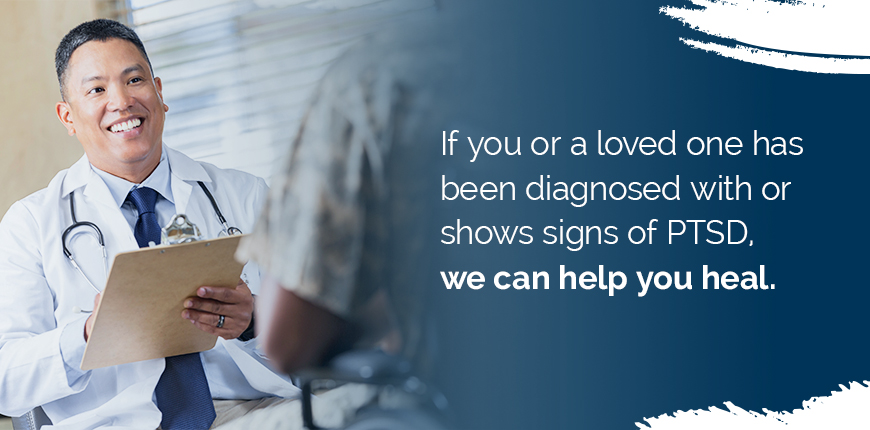
If you or a loved one has been diagnosed with or shows signs of PTSD, Tranquil Shores can help you heal.
Impact of Trauma on Families
Seeing someone you deeply care about going through a life-changing traumatic experience is challenging. Knowing that nobody expects you to have all the answers is important.
Your loved one experiencing PTSD may behave in ways that are hard to predict or understand. They might get irritated easily or upset about things, such as sounds or smells, that were fine before. These reactions might cause tension at home that might feel hard to handle.
Under these circumstances, it is easy to neglect yourself and fall into burnout. For now, your main job and the best way to provide support is to take good care of yourself.
5 Effective Coping Mechanisms for Veterans With PTSD
Effective coping mechanisms are essential to recovery. Here are five methods that may help you find relief:
1. Trauma-Informed Care
Trauma-informed care (TIC) is a transformative approach to treating PTSD. It shifts the focus away from any self-blame and onto what happened to you. TIC is a mindset fostered through the entire health care structure, from office personnel to therapists.
This empathetic approach contributes to a nurturing environment that increases client engagement and adherence to the treatment program. The principles of TIC are:
- Safety: Supports psychological and physical safety for all parties involved
- Trustworthiness: Builds trust through a transparent decision-making process
- Peer support: Veterans share similar experiences in the program
- Collaboration: Differences and power disputes are overcome during decision-making
- Empowerment: Recognizes and builds on the client’s and personnel’s strengths
- Responsiveness: Addresses historical trauma, biases and stereotypes
2. Cognitive Behavioral Therapy
Cognitive behavioral therapy (CBT) is a psychological treatment that is often used to treat PTSD. It operates on the principle that your feelings, thoughts and behaviors are interconnected and influence each other. It aims to modify unhelpful thinking and behavior patterns while improving emotional regulation.
During the session, the therapist uses different techniques to challenge the client’s thought patterns and negative or catastrophic thinking. These strategies help reinterpret traumatic experiences and manage stress and symptoms.
3. Self-Care Strategies for Veterans
Experiencing PTSD can make it hard to look after yourself and can eventually take a toll on your health. Practicing these self-care strategies may improve how you feel and your overall well-being:
- Sleep hygiene: Try to create a sleeping routine that helps you enjoy a peaceful and relaxing rest to diminish feelings of anger, moodiness and irritability.
- Nutrition: Support your body with the right foods and drink enough water. Avoid ultra-processed foods that are high in sugar to prevent drastic changes in energy. Consult with your health care provider for foods and supplements that promote healing.
- Physical activities: Exercise can help you release stress and may improve mental health symptoms. Practicing outdoor sports such as camping, hiking or rock climbing can be especially beneficial.
4. Art Therapies
Art therapy is the use of artistic methods to treat psychological disorders that aim to improve mental health. You can explore music, singing, journaling and drawing to express yourself. Creative arts therapies help achieve better mental and physical health by:
- Communicating feelings and emotions
- Processing traumatic experiences
- Increasing self-esteem
- Reducing avoidance and social isolation
- Reducing depression and hyperarousal
- Addressing chronic pain and cognition
5. Building a Strong Support Network
Support is crucial for overcoming PTSD. Having someone to listen to you without judgment or sharing with a group of people with similar experiences can help you feel understood. Reaching out to other veterans can create a sense of community, reducing feelings of isolation. Your peers can also share resources that have worked for them with you.
If a relative or close friend is going through PTSD, you can help them by learning more about what they are experiencing. Allow them to share at their own pace. Pay attention to what triggers them so you can help them find a sense of calm. The best gift you can give them is to be present and compassionate.
Integrative PTSD Treatment and Rehabilitation
At Tranquil Shores, our integrated recovery model focuses on mental, emotional, spiritual, behavioral, physical and social healing. Our whole-person approach is designed to help you overcome combat trauma and any co-existing conditions, such as substance abuse, related to your military experience. We carefully personalize the treatment to your specific needs with different therapies and healing techniques, such as:
- Trauma-informed counseling: Our counselors focus on providing you with a safe space and sensitive care. In addition to CBT, we use methods like accelerated resolution therapy (ART) and eye movement desensitization and reprocessing (EMDR) to help you gently process trauma.
- Alternative healing: These therapies focus on the mind-body connection to release pain and create balance and mental relaxation that supports recovery.
- Peer support: A community with similar experiences can help you process trauma more effectively, promoting long-term well-being.
- Family therapy: In your weekly session, you can privately address family issues and dynamics, guided by a professional.
- Aftercare: We provide you with a plan, therapy and all the support you need to keep moving forward after you complete your initial treatment.
Tranquil Shores’ multidisciplinary approach, collaborative health care professionals and a 3-to-1 client-to-counselor ratio ensure you and your family recover the freedom and peace of mind you deserve.
Recover From Combat Trauma and Reclaim Your Life Today
Combat trauma is unique and requires an integrative and personalized approach. Tranquil Shores will support you through the recovery process. Your journey starts with a call. Contact Tranquil Shores at 727-391-7001 or toll-free at 877-566-1166. You can also complete our online form to start reclaiming your life today.