
Cocaine is a leading cause of death, with 1,230 residents passing from cocaine-related causes in Florida in 2022. Tranquil Shores understands how cocaine can seem to be a need to get through tough workdays. Seeking treatment doesn’t have to take away from work, which is why we allow our clients to keep their electronics and continue working while healing. We provide resources to the community through our blogs to educate loved ones hoping to understand addiction.
This article discusses how long cocaine stays in your system.
How Cocaine Is Metabolized in the Body
Knowing how cocaine moves through the body can help you make sense of how long it stays in the system. The process involves:
- Absorption and distribution: Cocaine breaks down as soon as it enters the body. Once smoked, injected or snorted, it moves into the bloodstream and reaches the organs within minutes. That quick delivery explains the short, intense effects users report. Cocaine’s half-life means the high fades within an hour for some users.
- Liver metabolism: A chemical in the bloodstream called plasma butyrylcholinesterase (BChE) begins the cocaine breakdown process. As the cycle continues, the bloodstream and liver work together to turn cocaine into benzoylecgonine. This metabolite is the most tested for cocaine detection.
- Excretion methods: Cocaine and its metabolites leave the body through urine, sweat and stool.
What Is the Half-Life of Cocaine?
The half-life of cocaine is only one to two hours, meaning half of the substance has left the body after that time. However, certain cocaine metabolites have a half-life of nine to 10 hours, meaning even if it feels like cocaine has left the system, there may still be remnants.
How Is Cocaine Detected on Drug Tests?
The duration cocaine can be detected varies by the type of drug test. For urine screens, the test detects the cocaine metabolite benzoylecgonine. Even after just one use, benzoylecgonine can be detected in urine for around two to three days. Saliva tests can detect cocaine metabolites only one to two days after use. Blood exams can detect cocaine for around 12 hours, but can detect benzoylecgonine for roughly 48 hours after the last use. Hair follicle tests can detect cocaine for around three months after the last use.
The reason for your drug screen will determine the type of test used. For most jobs and legal situations, such as probation, a urine screen will be used because it is the most cost-effective and noninvasive. Blood tests can be used in legal instances, such as a suspected DUI, but they are not used often as they require a trained professional and are invasive. Hair follicle tests can determine long-term abstinence from cocaine use.
What Factors Can Affect How Long Cocaine Remains in Your System?
There are factors that can affect how long cocaine remains in the system, including:
- Body fat percentage
- Amount of cocaine being used
- How long the person has used
- Purity of the cocaine
- Mixing cocaine with other substances
Why Knowing Detection Times Matters
Families and individuals want to know how long cocaine stays in the body for various reasons:
- Employment concerns: Drug testing in the workplace can affect job security, professional licenses or new opportunities. Understanding detection windows helps people gauge risk and make informed choices about when and how to seek help.
- Legal circumstances: Courts and probation programs often require regular testing to verify abstinence. In custody cases, a positive or negative result can influence decisions that carry lasting consequences.
- Health and recovery: Clinicians rely on accurate information about recent substance use to plan care, whether prescribing medications or supporting withdrawals.
Does the Method of Use Affect How Long Cocaine Stays in Your System?
While not every person is the same, in general, if cocaine is snorted or rubbed on the gums, it will be detectable longer. Injecting and smoking cocaine can have a shorter detectable time in the system. This is because injecting and smoking introduce cocaine directly into the bloodstream, which starts the process of removal in the body. When snorted or rubbed on the gums, the cocaine has to pass through layers of tissue, taking longer to reach the bloodstream and, therefore, taking longer to process.
What Are the Immediate Effects of Cocaine Dependence?
When cocaine is used, the immediate effects can be felt instantly or up to 15 minutes later. This depends on the way it is ingested. The person will feel an intense rush of pleasure, followed by:
- Extreme bouts of energy
- Hypersensitivity to sight and sound
- Paranoia with increased distrust of others
- Mood swings such as happiness or irritability
- Decreased appetite
Paranoia and mood swings can happen after the first use of cocaine, but typically come with regular use.
What Are the Long-Term Effects of Cocaine Dependence?
Over time, cocaine dependence can cause both physical and mental distress. For those who snort cocaine, nasal passages can become damaged and the sense of smell lost. Injecting cocaine can lead to:
- Abscesses
- Scars
- Collapsed veins
Smoking it causes long-term lung infections and difficulty breathing. Mentally, increased paranoia can lead to delusions and cause relationship loss. Mood swings can range in severity and lead to an increase in risky behaviors. Lying and stealing to keep using cocaine are common, even if it hurts the ones you love.
How Long Do the Effects of Cocaine Dependence Last?
Cocaine dependence can last as long as the person keeps using it. Whether six months or 20 years, dependence can continue even when the person wants to stop. The main reason for this is cocaine withdrawal symptoms. When the body goes without cocaine, the brain attempts to restore balance. This leads to increased depression, anxiety and physical discomfort.
Does Cocaine Stay in Your System Longer When Mixed With Alcohol or Other Substances?
Alcohol can cause cocaine metabolites to stay in the body longer. The interaction between the two substances leads to the formation of the metabolite cocaethylene, which has a longer half-life than cocaine. The body will hold on to them longer, making them detectable after a couple of days.
When getting tested for cocaine, chances are the test is screening for multiple substances. Five, 10 and 12-panel tests exist, each testing for more metabolites of substances. If you are taking multiple substances, you can get a positive test for each individual substance.
The Limitations of Detoxification Methods
When people first begin looking for ways to stop using cocaine, it is common to come across detox products or quick-fix solutions that promise to flush the drug from the body. These products are often marketed as drinks, pills or herbal cleanses, and they can sound appealing when someone feels the urgent pressure to test negative or to get clean quickly.
Drinking large amounts of water, exercising or using commercial detox kits may support general health, but they cannot meaningfully override the body’s metabolism. Relying on quick fixes can also be discouraging and risky. When a person expects a product to deliver results and then fails a test or continues to feel withdrawal symptoms, it can lead to frustration and hopelessness. Worse, it can delay access to effective care.
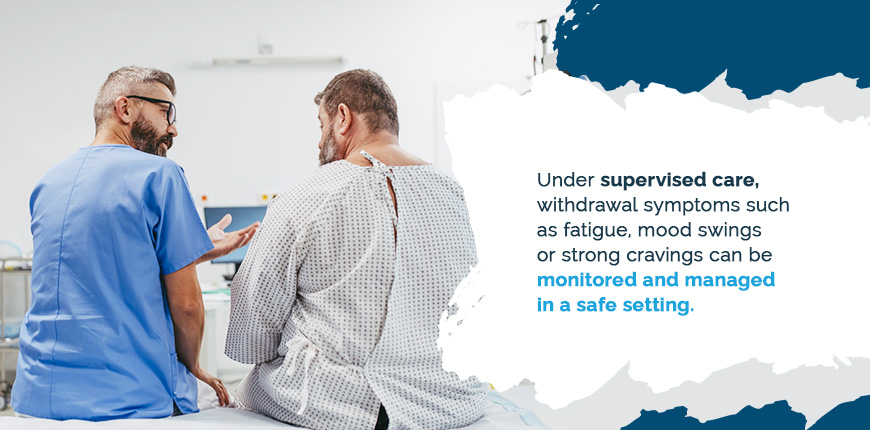
Under supervised care, withdrawal symptoms such as fatigue, mood swings or strong cravings can be monitored and managed in a safe setting. Medical teams provide physical support and emotional guidance, reducing the chances of relapse.
Treatment Options for Cocaine Use Disorder
With the right support, recovery from cocaine addiction is possible. There are various treatments and therapies that will make people with a cocaine disorder feel like a whole new version of themselves. Effective programs combine different approaches, including:
- Cognitive behavioral therapy (CBT) helps individuals recognize the patterns of thought and behavior that lead to cocaine use. CBT supports long-term recovery and helps reduce the likelihood of relapse by building healthier coping strategies
- Group therapy creates opportunities for accountability, understanding and mutual support by allowing individuals to share experiences with others facing similar struggles.
- Family therapy gives loved ones tools to heal relationships and contribute positively to the recovery process. Family involvement helps repair trust and builds a stronger support system at home.
- Integrative and holistic therapies may include mindfulness, exercise-based programs and nutritional counseling, all designed to support physical, emotional and spiritual balance.
- Experiential therapies, including art, music, play or dance, provide alternative ways to heal and reconnect with life beyond substance use.
These programs respect an individual’s needs by offering privacy, flexible schedules and individualized care that allows recovery to happen while maintaining professional and personal responsibilities.
Aftercare planning and relapse prevention strategies maintain sobriety. This may involve ongoing therapy, support groups or structured programs that continue to provide encouragement.
Start Your Recovery Journey With Tranquil Shores

Cocaine can alter the way the mind thinks, convincing you that you need it to survive. Tranquil Shores understands that seeking help is a big step, and we’re here to walk alongside you. We keep our client-to-staff ratio at 3:1 so that you get the individual attention you deserve. This allows you to address all feelings of stress, worry and guilt in a safe and healing place.
Our team uses a range of therapies and treatments, including CBT, family and group therapy and integrative methods to address the physical and psychological aspects of addiction. We get to the root cause and support your mental, physical, social and spiritual well-being.
Through aftercare and ongoing support, we help you maintain progress and tackle challenges with confidence.
Call us today at 727-391-7001 or toll free at 877-566-1166 to learn more about our cocaine use disorder program. You can also fill out a contact form, and one of our team members will get back to you.